
Lipedema or Just Fat Legs? Here’s How to Tell (and What You Can Do About It)
- Lipedema is a chronic condition, not just “weight gain.”
- It often affects legs symmetrically and feels tender or heavy.
- Diet alone rarely reduces lipedema fat, but circulation helps.
- Treatments like infrared heat and cupping can manage symptoms.

Ever stood in front of the mirror thinking, “Why do my legs look and feel so different?” — like they’re heavier, swollen, or out of proportion with the rest of your body? You’re not alone. So many women wonder this exact thing: is it lipedema or just fat legs?
Let’s break it down together — no judgment, no guilt, just some real talk and kind advice.
What Exactly Is Lipedema?
Lipedema isn’t just “extra fat.” It’s a chronic condition that causes an uneven buildup of fat — most commonly in the legs, thighs, and sometimes the arms. The tricky part? It often looks like simple weight gain but doesn’t respond to diet or exercise.
According to the Cleveland Clinic, lipedema is “a long-term condition causing abnormal fat buildup in the lower body that diet and exercise cannot reduce.” (source)
In short: if you’ve been working out, eating well, and the rest of your body slims down — but your legs just… don’t — this might be why.
Lipedema vs. “Fat Legs”: How to Tell the Difference
Here’s a simple comparison to help you understand what your body might be telling you:
| Feature | Lipedema | “Fat Legs” |
|---|---|---|
| Symmetry | Both legs (and sometimes arms) affected evenly | Fat may accumulate unevenly |
| Response to Diet | Doesn’t change much | Fat usually reduces |
| Pain/Tenderness | Legs often sore, heavy, or bruise easily | Rarely painful |
| Feet | Feet usually not swollen (“ankle cuff”) | Fat distributed evenly, including feet |
| Skin Texture | Can feel soft, nodular, or uneven | Smooth and soft |
If you’re nodding along with several of these lipedema signs — it’s worth checking with a doctor who knows about lymphatic or vascular conditions.
Signs You Might Be Dealing With Lipedema
- Disproportionate Shape: Small upper body, but large hips and legs.
- The “Cuff” Effect: Swelling stops at the ankles, creating a distinct line or “cuff” before the feet.
- Easy Bruising: You find bruises on your legs and don’t remember hitting anything.
- Painful Fat: Pressing on the fat causes pain or sensitivity.
The Emotional Side (No One Talks About This Enough)
Here’s the thing — lipedema doesn’t just affect how your legs look. It affects how you feel. The heaviness, the pain, the frustration of “doing everything right” and seeing no results — it’s emotionally exhausting.
But you’re not broken, lazy, or “failing at fitness.” Your body is just working differently. And you deserve care that matches your needs, not some one-size-fits-all wellness advice.
Myths vs. Facts
MYTH
It’s just obesity caused by overeating.
FACT
Lipedema is a medical condition often triggered by hormonal changes, not just calories.
MYTH
You can diet it away.
FACT
Lipedema fat is resistant to metabolic weight loss; it requires circulation support.
What You Can Do to Support Lipedema-Prone Legs
Even though lipedema fat doesn’t vanish with exercise or diet, you can improve circulation, lymph flow, and comfort through consistent self-care and smart tools.
1. Boost Lymphatic Flow
Lymphatic drainage is your best friend. It helps reduce swelling and that “heavy leg” feeling. Try:
- Gentle dry brushing or massage (always upward toward your heart).
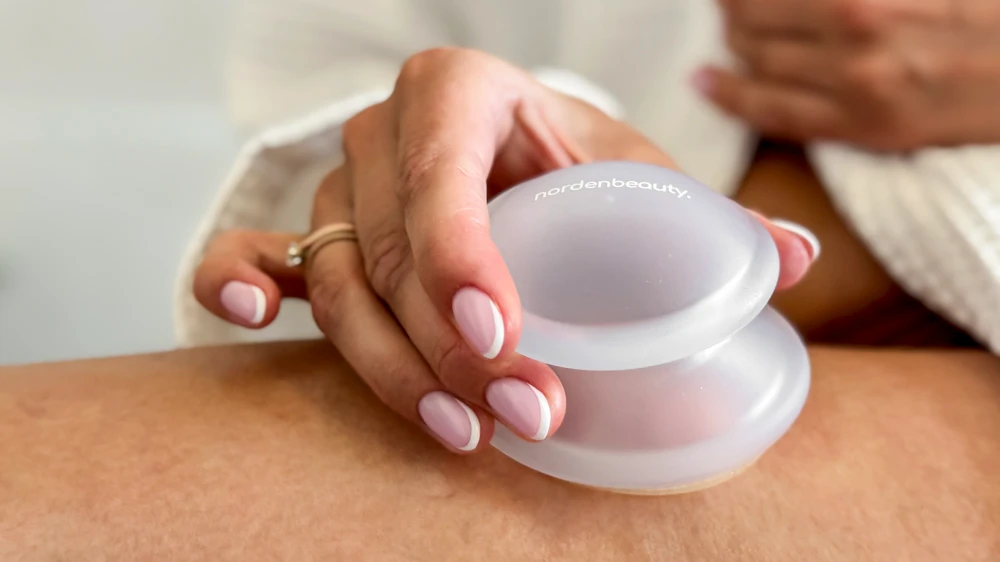
- Body cupping therapy with our Body Cupping Set. It’s a relaxing, at-home way to stimulate lymph flow and improve skin elasticity.
- Elevate your legs at the end of the day (yes, a pillow under your calves while scrolling TikTok totally counts).
2. Try Gentle Heat Therapy
Heat improves circulation and helps with the stiffness or soreness that can come with lipedema. Infrared therapy is especially effective because it penetrates deep into the skin and tissues.
- For full-body support, the Infrared Sauna Blanket offers a spa-like lymphatic boost at home. You’ll sweat, detoxify, and feel lighter afterward.
- For more focused relief, try the Infrared Belt for Thighs and Legs — it targets exactly where lipedema tends to build up most.
Many women use these after light movement or massage — it feels like giving your legs a warm hug.
3. Gentle Exfoliation & Skin Care
Healthy circulation starts with healthy skin. Regular exfoliation improves microcirculation and helps your skin absorb lotions better. Use an Exfoliating Glove 1–2 times a week for a smooth, energized feeling. Follow with a nourishing oil or lotion — massaging it in with circular motions to encourage blood and lymph flow.
4. Move with Love
Forget punishing workouts. Lipedema responds better to low-impact movement that keeps circulation flowing without stressing the joints. Think: swimming, water aerobics, walking, light cycling, or yoga. The key is consistency, not intensity.
When to See a Specialist
If your legs feel disproportionately large, painful, or resistant to weight loss — don’t self-diagnose or brush it off. A vascular or lymphatic specialist can tell you for sure. Early awareness makes all the difference in how you manage symptoms.
And if it is lipedema, the goal isn’t perfection — it’s comfort, confidence, and feeling at home in your body again.
Frequently Asked Questions
Does lipedema go away with weight loss?
Typically, no. While you can lose non-lipedema fat from other areas of your body, lipedema fat is resistant to diet and exercise. However, maintaining a healthy weight helps reduce inflammation and strain on your legs.
Is lipedema painful?
For many women, yes. Lipedema tissue can be tender to the touch, and legs may feel heavy or ache, especially at the end of the day.
Can I treat lipedema at home?
While you should see a specialist for diagnosis, home care is crucial. Compression garments, lymphatic massage, cupping, and infrared therapy are excellent ways to manage swelling and pain at home.
Final Thoughts — Be Kind to Your Legs
Whether it’s lipedema or just fat legs, the truth is the same: your body deserves kindness, not criticism.
Start with what feels good — a warm infrared session, a gentle cupping massage, or an exfoliating ritual that reminds you your legs are worth caring for. Little steps lead to big change — in how you feel, look, and love your body. So tonight, light a candle, put on your favorite playlist, and give your legs a few minutes of love. You deserve it. 💙